


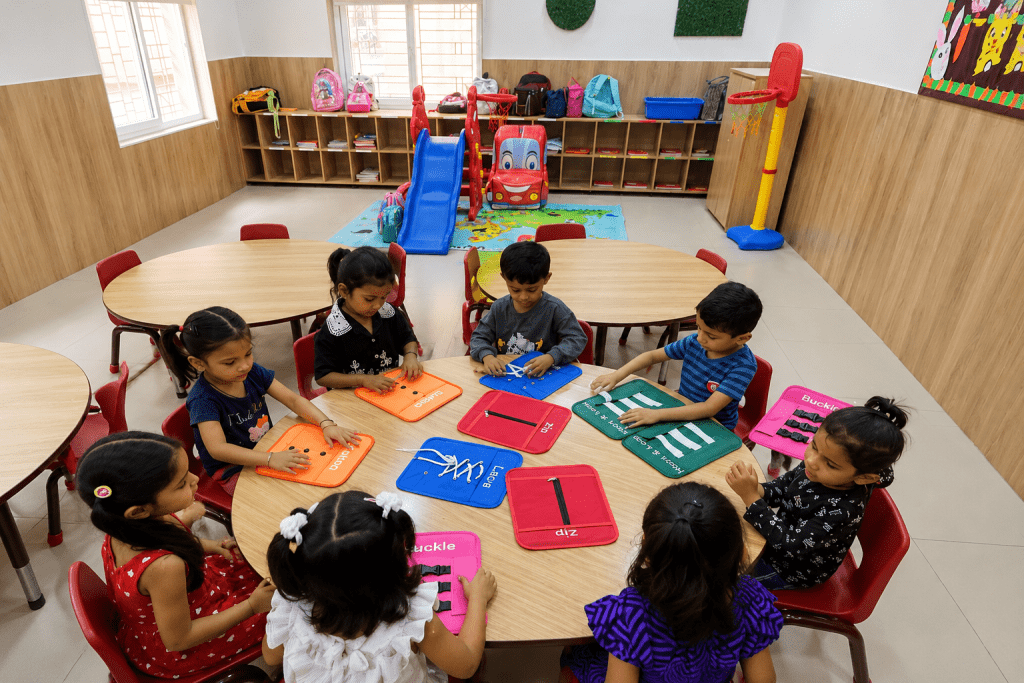
The Role of Extracurricular Activities in Shaping Young Minds
Extracurricular Activities in Primary School in Nagpur play a vital role in developing confident, creative, and socially responsible children. Beyond academics, activities such as sports, music, dance, art, public speaking, and community programs help students strengthen leadership, teamwork, communication, and problem-solving skills while making learning more enjoyable.
What Are Extracurricular Activities?
Extracurricular activities are learning experiences that happen outside regular classroom lessons. These activities encourage children to discover their interests while developing practical life skills.
Some common activities include:
- Music and singing
- Dance and drama
- Drawing and painting
- Sports and athletics
- Storytelling sessions
- Yoga and meditation
- Science clubs
- Nature walks
- Public speaking
- Art and craft
Each activity gives children an opportunity to learn through experience.
Why Are Extracurricular Activities Important in Primary School?
The primary years build the foundation of a child’s future. Children develop habits, confidence, communication, and emotional understanding during this stage.
Activities outside academics help children enjoy learning. They also improve participation inside the classroom.
Many parents searching for a primary school in Nagpur choose schools that provide equal focus on academics and extracurricular development.
1. Builds Confidence from an Early Age
Many children feel nervous while speaking in front of others. Stage performances, storytelling, music competitions, and classroom presentations help reduce fear.
Every small achievement gives children confidence. They begin believing in their own abilities. This confidence supports them during school life and beyond.
2. Improves Communication Skills
Children learn communication through interaction.
Drama activities encourage expression. Group discussions improve listening. Storytelling builds vocabulary. Classroom presentations improve speaking skills.
Children also learn to respect different opinions during conversations.
Strong communication becomes useful in every stage of life.
3. Encourages Teamwork
Sports, group projects, dance performances, and classroom activities teach children how to work together.
They learn to:
- Share responsibilities
- Respect teammates
- Solve small disagreements
- Support each other
- Celebrate group success
These experiences prepare children for future learning and professional life.
4. Supports Creative Thinking
Creativity grows when children receive freedom to explore ideas.
Painting, music, model making, theatre, and craft activities encourage imagination.
Creative children often become better problem solvers because they learn different ways to approach challenges.
5. Develops Leadership Skills
Children receive leadership opportunities during school activities.
They become class monitors, team captains, event volunteers, or group leaders.
These responsibilities teach decision-making, accountability, and confidence.
Leadership develops through practice.
6. Improves Physical Health
Physical activity is essential during childhood.
Outdoor games improve:
- Strength
- Balance
- Coordination
- Flexibility
- Stamina
Regular movement also supports better concentration inside the classroom.
Many CBSE schools in Nagpur include structured sports programs as part of daily learning.
Popular Extracurricular Activities in Primary Schools
| Activity | Skills Children Develop |
|---|---|
| Arts and crafts | Creativity and fine motor skills |
| Music and singing | Confidence and self-expression |
| Dance and drama | Teamwork and communication |
| Sports and games | Physical fitness and discipline |
| Storytelling and reading clubs | Language development and imagination |
| Science and nature clubs | Curiosity and problem-solving skills |
How Parents Can Encourage Participation
Parents play an important role in helping children enjoy extracurricular activities and discover their true potential. By encouraging them to explore different interests, parents help children identify their strengths, build confidence, and develop a genuine passion for learning beyond the classroom.
Recognizing a child’s effort instead of focusing only on results inspires them to keep trying and improving. Every child learns and grows at their own pace, so avoiding comparisons creates a positive environment where they feel accepted, motivated, and confident in their own abilities. Encouraging regular participation also helps children develop discipline, responsibility, and consistency.
Celebrating even the smallest achievements boosts self-esteem and encourages children to aim higher. At the same time, maintaining a healthy balance between academics and extracurricular activities ensures their overall growth without unnecessary pressure. With constant love, guidance, and support from parents, children develop lifelong skills, stronger character, and the confidence to succeed in every stage of life.
Choosing the Right Primary School
Parents should look beyond academic results while selecting a school.
A good school offers:
- Qualified teachers
- Safe learning spaces
- Sports facilities
- Art and music programs
- Interactive classrooms
- Activity-based learning
- Regular school events
- Individual attention
- Strong parent communication
Many families searching for the best school in Nagpur prefer institutions that encourage both academic excellence and overall personality development.
Common Myths About Extracurricular Activities
Myth 1: Activities reduce study time.
Reality: Children often become more focused after participating in enjoyable activities.
Myth 2: Sports are only for talented children.
Reality: Every child benefits from regular physical activity.
Myth 3: Activities are only for entertainment.
Reality: They develop communication, confidence, leadership, creativity, and discipline.
Myth 4: Academic success alone is enough.
Reality: Modern education values life skills along with academic knowledge.
Benefits That Last Beyond School
The advantages of participating in extracurricular activities extend far beyond a child’s school years. While these activities make learning more engaging, they also help children develop essential life skills that contribute to their personal, academic, and professional success. Through regular participation, children become more confident communicators, learn to work effectively in teams, and develop leadership qualities by taking responsibility and collaborating with others.
Extracurricular involvement also promotes emotional well-being by teaching children how to manage challenges, handle success and failure gracefully, and build resilience. Activities that encourage creativity, critical thinking, and problem-solving help children become innovative learners who are better prepared to adapt to changing situations. In addition, regular participation in sports and physical activities encourages healthy habits, discipline, and an active lifestyle that benefits overall physical and mental health.
Perhaps the greatest long-term benefit is the development of a positive attitude toward learning and self-improvement. Children who engage in extracurricular activities often become more independent, responsible, and confident in pursuing their goals. These qualities remain valuable throughout higher education, future careers, and everyday life, enabling them to face new opportunities with confidence, creativity, and determination.
FAQs
1. Why are extracurricular activities important in primary schools?
They help children build confidence, communication skills, creativity, teamwork, and emotional development while supporting academic learning.
2. Which extracurricular activities are best for primary school children?
Sports, music, dance, storytelling, art, yoga, chess, drama, and science clubs are excellent choices for young learners.
3. Do extracurricular activities improve academic performance?
Children develop better concentration, discipline, time management, and problem-solving skills through regular participation.
4. How often should children participate in extracurricular activities?
Two to four sessions each week usually provide a healthy balance between academics and personal development.
5. What should parents consider while choosing a school?
Parents should look for experienced teachers, safe infrastructure, activity-based learning, sports facilities, creative programs, and opportunities for holistic development.
Conclusion
Education is more than classroom learning. Children grow through experiences, participation, and exploration. Extracurricular activities help them discover strengths that textbooks alone cannot develop. Confidence, creativity, teamwork, communication, and leadership become part of everyday learning.
A well-rounded learning environment prepares children for future challenges with confidence. This is why many parents today choose a primary school in Nagpur that values academics and extracurricular activities equally. A strong foundation during the early years helps children become capable learners, responsible individuals, and confident future citizens.
